In Texas, roofing has to do more than keep out rain. It also has to handle intense sun, high attic temperatures, hail risk in many areas, and long stretches of hot weather that can wear materials down faster than homeowners expect. If you are choosing between a metal roof and asphalt shingles, the right answer depends on how you weigh upfront cost, expected lifespan, maintenance, and comfort in extreme heat.
Both materials can work well in Texas, but they do not age the same way. Metal often lasts longer, while asphalt shingles usually cost less to install. The better choice is the one that fits your budget today and your plans for the home over time.
How Texas heat affects roof performance
Heat does not just make a roof hot on the surface. It also accelerates wear in the attic and roofing system below it. Prolonged UV exposure can dry out roofing materials, cause sealants to break down, and contribute to expansion and contraction over time. In Texas, that means a roof’s ability to resist heat is only part of the story. Durability, ventilation, and installation quality matter just as much.
Asphalt shingles can handle Texas weather, but they are more vulnerable to heat-related aging than metal. On very hot days, shingles can soften, lose granules, and become more prone to cracking over time. Metal roofs generally reflect more sunlight and are less likely to degrade from UV exposure in the same way, though they still depend on proper underlayment and fastening.
Lifespan: which roof lasts longer?
If your main question is longevity, metal usually has the edge. A well-installed metal roof commonly outlasts asphalt shingles by a wide margin, especially when the roof is maintained and the material matches the local climate. That does not mean every metal roof lasts forever, but it tends to hold up better under repeated heat cycles and sun exposure.
Asphalt shingles usually have a shorter service life, and Texas weather can push that timeline in the wrong direction if the roof is poorly ventilated or installed on a home with a steep sun load. Factors like shingle grade, roof pitch, attic airflow, and storm damage can all shorten lifespan. In practical terms, that often means homeowners may replace asphalt sooner than they would a metal roof.
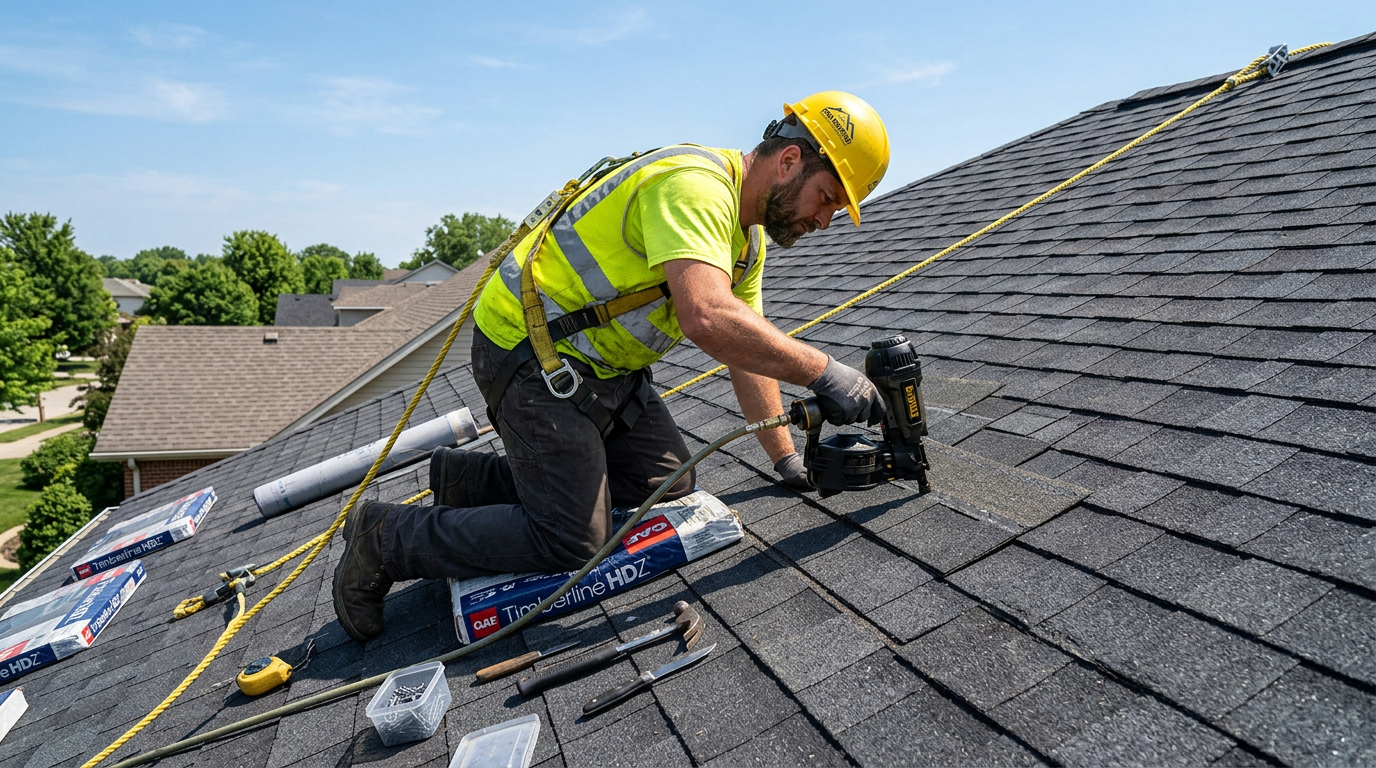
What can shorten either roof’s life?
- Poor attic ventilation
- Low-quality installation
- Storm damage from hail or flying debris
- Neglected flashing, sealants, or fasteners
- Nearby tree limbs and debris buildup
In other words, the material matters, but the roofing system matters more. A premium product installed badly may perform worse than a midrange product installed well.
Which option saves more money?
The answer depends on whether you mean upfront cost or long-term value. Asphalt shingles usually cost less to buy and install, which makes them appealing if you need a lower initial project price. For homeowners planning to move soon or who need to replace a roof quickly after storm damage, that lower entry cost can be a deciding factor.
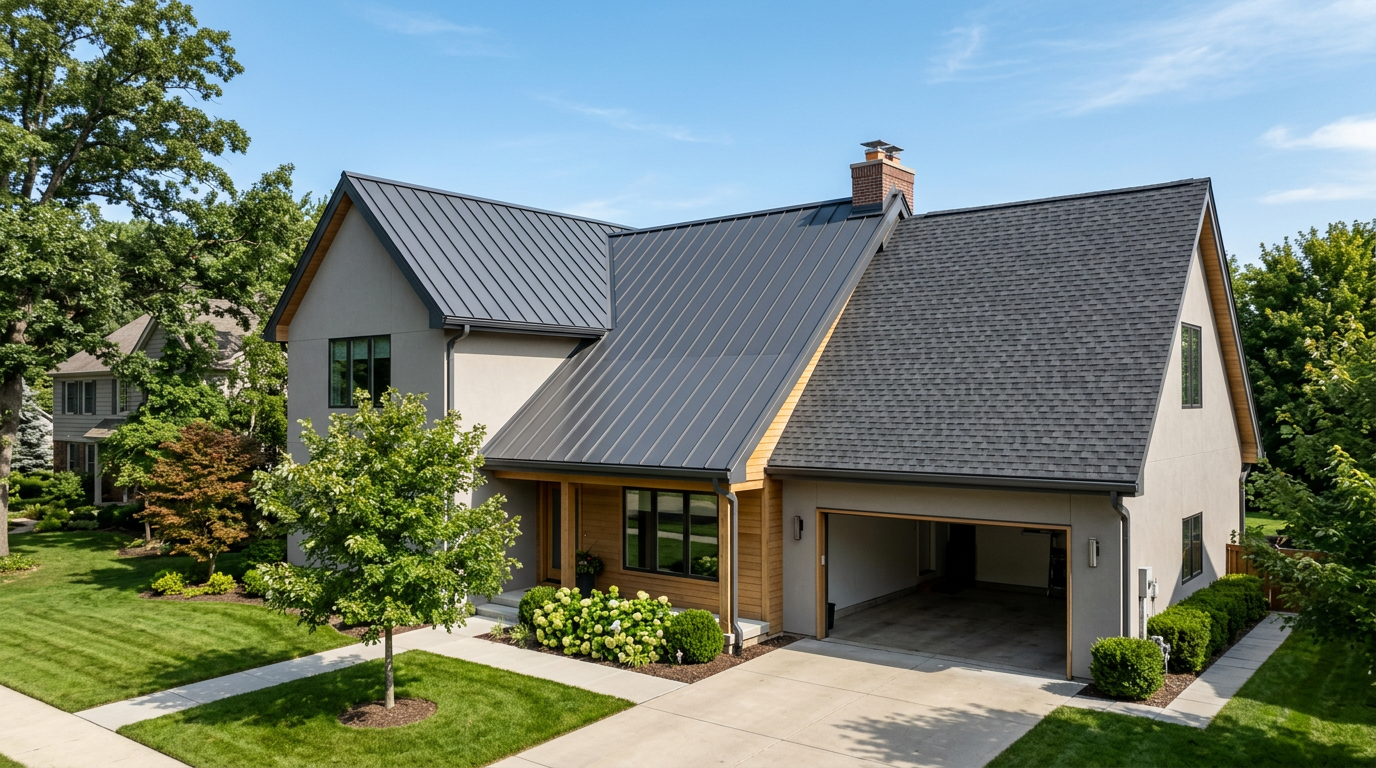
Metal roofing often costs more at the start, but the longer lifespan may spread that cost over more years of use. That can make it a strong long-term value, especially for homeowners who plan to stay in the house for a while. Metal also tends to need fewer replacement cycles over the life of a home, which is where some of the financial benefit can show up.
Energy savings are another consideration, though they are easy to overstate. In Texas heat, a cooler roof can help reduce heat gain, especially when paired with good attic insulation and ventilation. Metal roofs can be more reflective than standard asphalt shingles, but the amount you save depends on the specific product, the roof color, the attic design, and your cooling system. It is best to think of energy performance as one part of the equation, not a guarantee of lower utility bills.
Maintenance and storm resilience in Texas
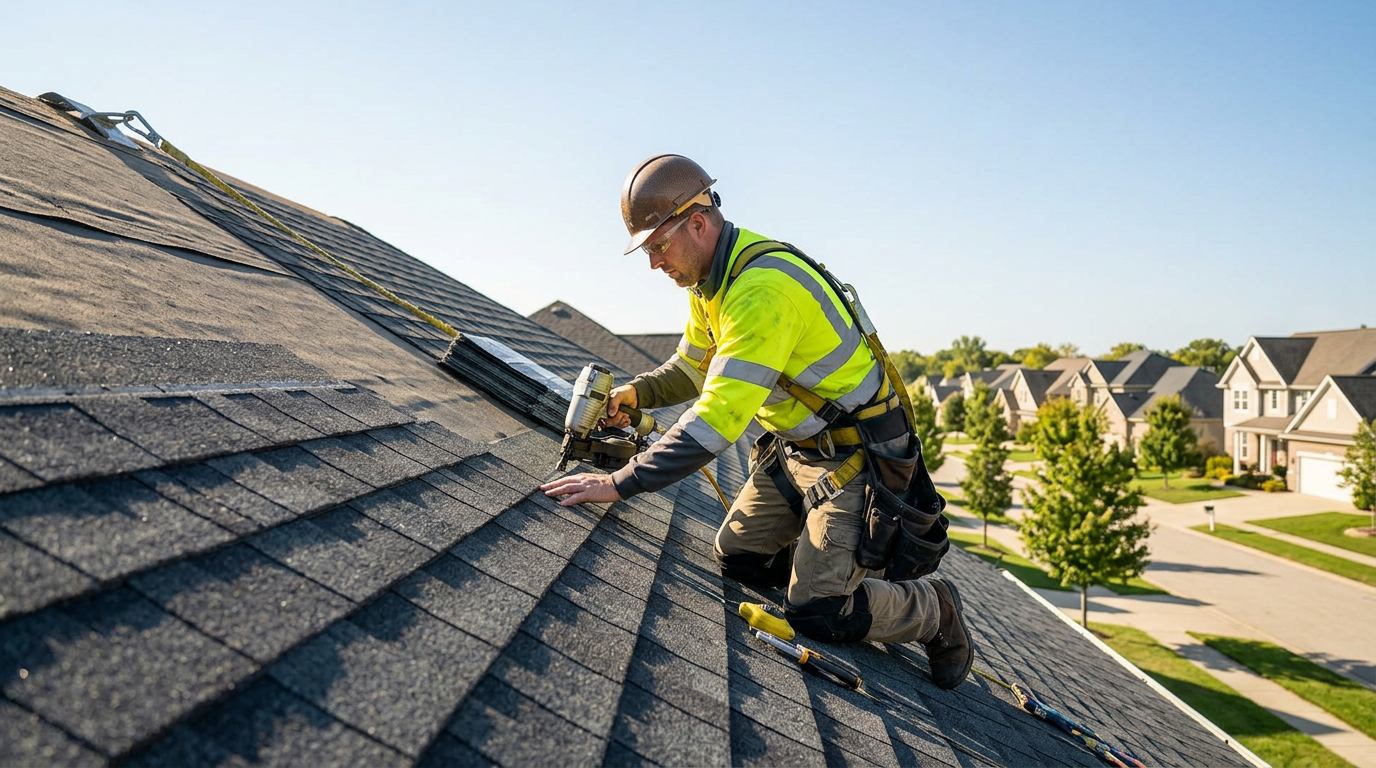
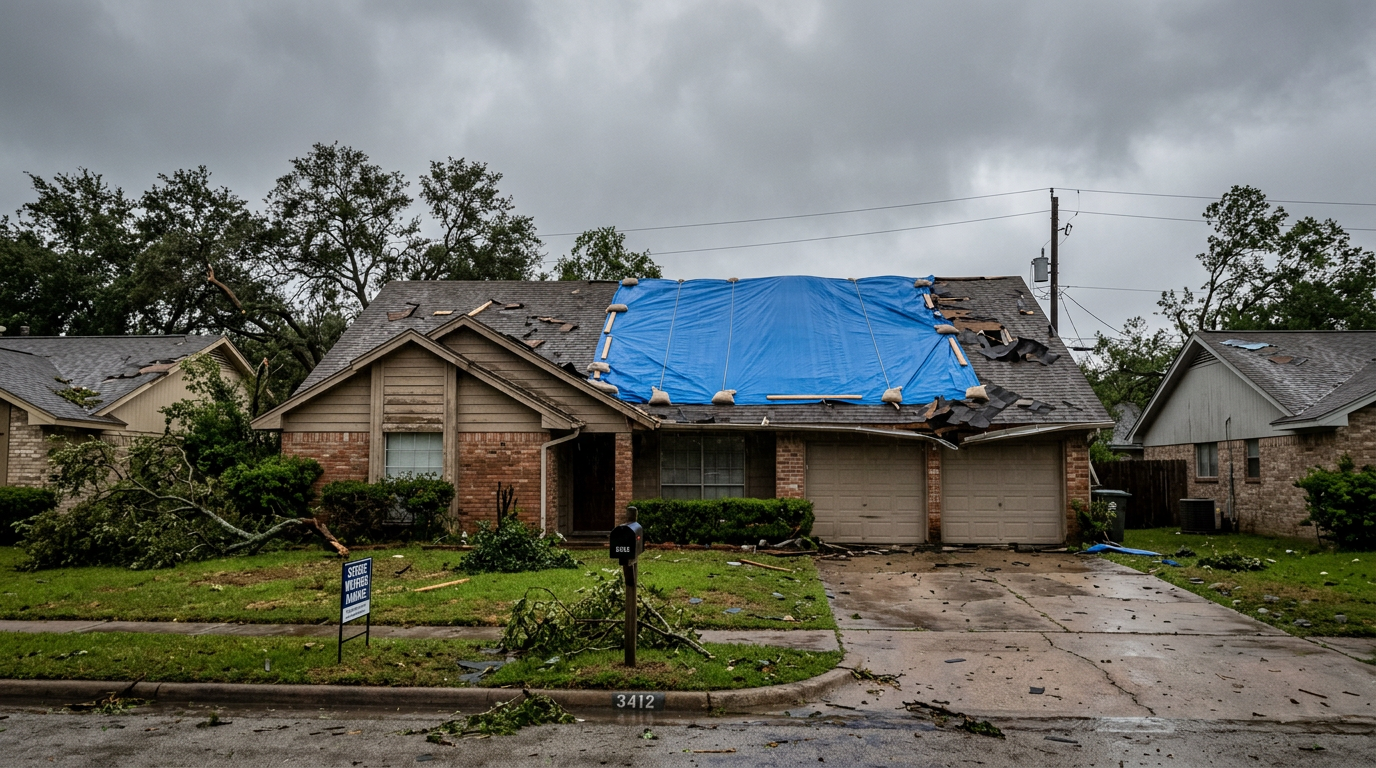
Texas roofs have to stand up to more than heat. Wind, hail, and sudden temperature swings can all affect performance. Asphalt shingles are familiar to most contractors and can be easier to repair in a localized spot. If a few shingles are damaged, a repair may be straightforward. The downside is that repeated heat and storm exposure can mean more frequent patching or earlier replacement.
Metal roofs are often praised for durability, but they are not maintenance-free. Fasteners can loosen, sealants can age, and some systems can be dented by hail depending on panel type and gauge. Repairing damage may require a specialist, especially if you have a standing seam system or a less common finish.
For many Texas homeowners, the real tradeoff is not just metal versus shingles, but fewer replacements versus lower upfront cost.
If your house is in a hail-prone area, ask about impact ratings, warranty coverage, and how the material performs after repeated storm exposure. A roof that handles heat well but fails in a hail event may not be the better investment.
Which roof is the better fit for your home?
Choose metal roofing if you want longer service life, better resistance to sun-related wear, and a roof that may be easier to justify as a long-term investment. It can be especially appealing if you expect to stay in the home for many years and want to reduce the chance of replacing the roof again soon.
Choose asphalt shingles if your priority is keeping the initial project cost lower, you want a familiar material with broad contractor availability, or you expect to sell the home before the roof’s full lifespan matters as much.
Here is a simple way to think about it:
- Budget now: Asphalt usually wins on upfront affordability.
- Time in the home: Metal often wins if you plan to stay long term.
- Heat exposure: Metal typically handles Texas sun better.
- Repairs and replacement: Asphalt may be cheaper to fix, but metal may need fewer full replacements.
Bottom line
In Texas heat, metal roofs usually last longer than asphalt shingles and can offer better long-term value, especially for homeowners who want to minimize replacement cycles. Asphalt shingles still make sense when upfront cost matters most or when you want a more budget-friendly roof replacement.
The best choice is not the same for every house. Compare the roof structure, ventilation, storm risk, warranty details, and how long you plan to stay put before deciding. A local roofing contractor can help you compare materials based on your home’s conditions, not just general expectations.