If your roof is leaking, missing shingles, or starting to look worn, one question usually comes first: can it be repaired, or is it time to replace it? The answer depends on more than age alone. A small issue can often be fixed quickly, but repeated problems, widespread wear, or structural concerns may point to a bigger project.
For homeowners, the smartest choice is usually the one that solves the problem without paying for work you do not need. Here is how to think through roof repair versus replacement, what warning signs matter most, and what to ask before you hire a roofer.
Start with the type and scope of the damage
Not every roof problem means the whole system has failed. In many cases, a targeted repair is enough if the damage is limited and the rest of the roof is still in good condition.
Repair is more likely when:
- A few shingles are missing, cracked, or lifted
- A leak is tied to flashing around a chimney, vent, or skylight
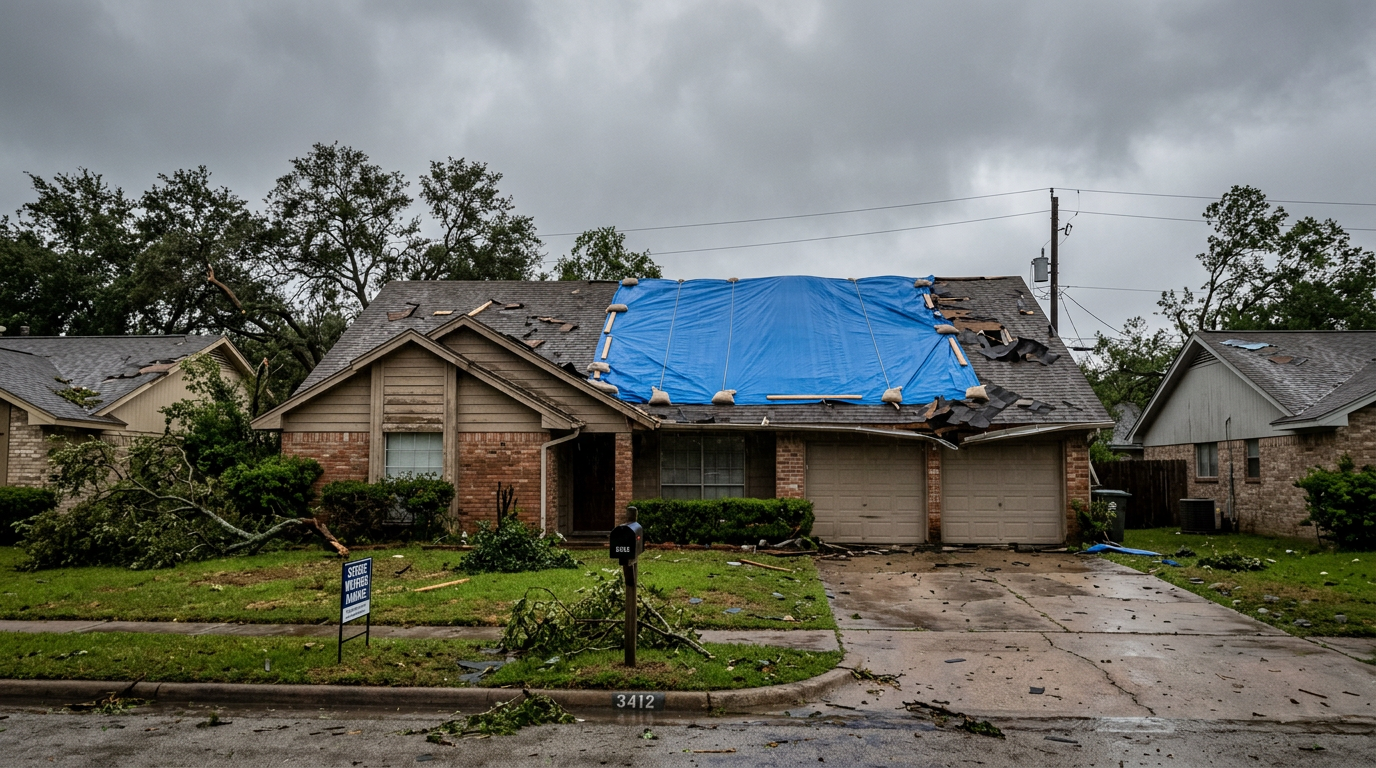
- Storm damage is limited to one section of the roof
- The roof is relatively new and otherwise performing well
Replacement becomes more likely when the issues are widespread or recurring. If leaks keep returning in different places, the roof may have more than one failing component. In that case, patching one area at a time can become frustrating and less effective.
Check the age and condition of the whole roof
Roofing materials have different lifespans, and age matters because wear is often cumulative. An older roof can still look acceptable from the ground while hidden problems develop underneath.
Look for signs that the roof is aging as a system, not just at one spot. Granule loss on asphalt shingles, curling edges, cracked shingles, soft spots, sagging areas, and visible daylight in the attic are all worth attention. Inside the home, stains on ceilings or walls can indicate that water has been getting in for a while.
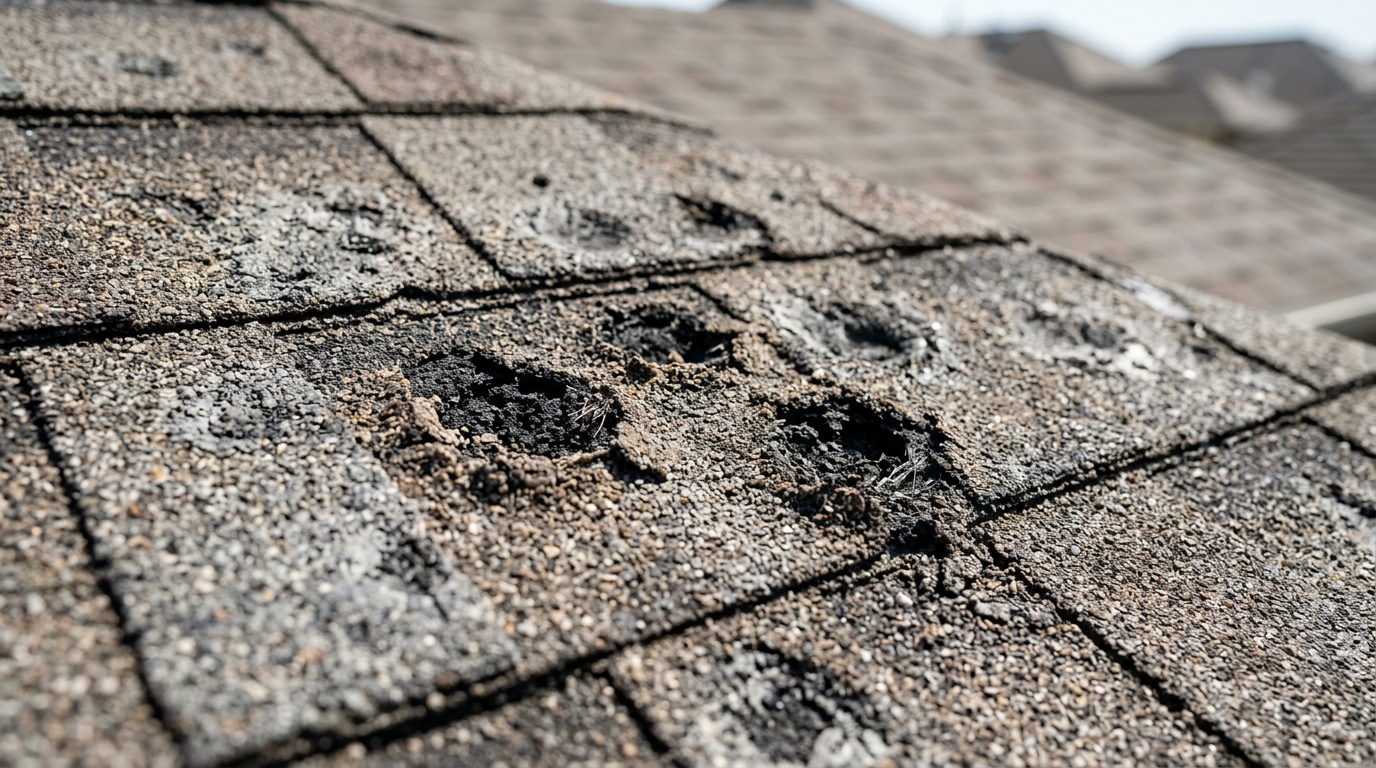
Tip: If you are not sure what you are seeing, ask a roofer to inspect both the exterior and the attic. What looks like a small surface issue may be tied to underlayment, decking, or ventilation problems.
Age alone does not force a replacement, but it should change your expectations. A roof that is near the end of its expected service life may not be worth frequent repairs, especially if another storm could create more problems soon.
Think beyond the leak: ventilation, decking, and flashing
Some roof problems are really system problems. A leak may be the symptom, while the root cause is poor ventilation, damaged flashing, or deteriorated roof decking beneath the shingles.
That matters because a roofer can only repair what is accessible and still structurally sound. If the decking is soft or rotted, the repair may need to be larger than expected. If attic ventilation is poor, heat and moisture can shorten the life of the roof and make shingles wear out unevenly.
Ask the contractor to explain whether the issue is cosmetic, isolated, or structural. A clear diagnosis is more useful than a quick quote, especially if you are comparing repair estimates with replacement bids.
When a repair makes sense
Roof repair is often the practical choice when the roof still has useful life left and the damage is narrow in scope. It can also be the better option if you are preparing to sell soon and need to address a specific issue before listing.
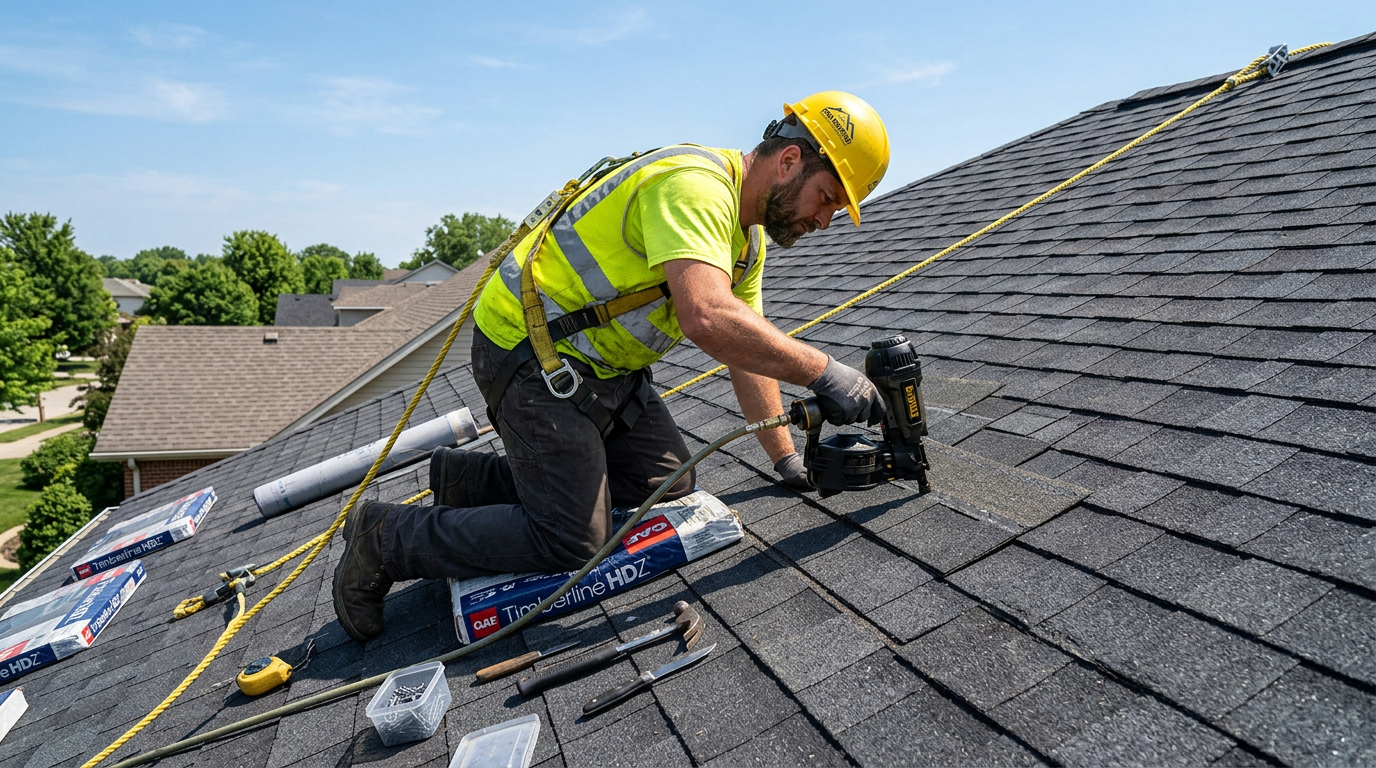
Repair tends to make the most sense when:
- The roof is not near the end of its expected life
- The problem is easy to locate and isolate
- You have had only one or two minor issues, not repeated failures
- The rest of the roof is in solid condition
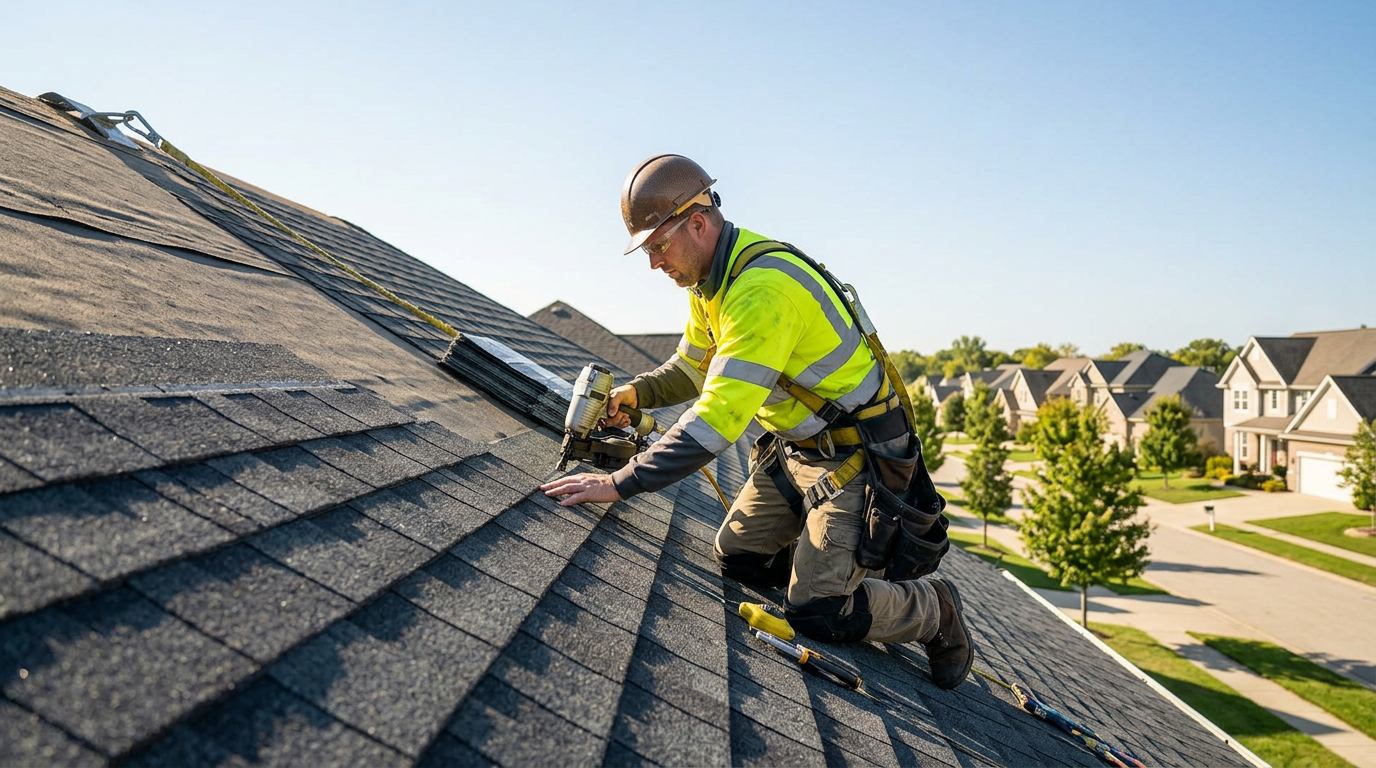
Even when a repair is the right call, it should be done carefully. Matching materials and sealing the repaired area correctly matter, especially on older roofs where exact shingle matches may be difficult to find. A good repair should blend with the existing roof as much as possible and address the cause, not just the symptom.
When replacement is the better long-term move
Replacement is often the more sensible choice when repair would only delay a larger problem. That can happen when the roof has widespread wear, repeated leaks, or storm damage across multiple slopes.
Consider replacement if you are seeing several of these signs at once:
- Multiple leaks or water stains in different areas
- Shingles that are curling, brittle, or heavily granule-shed
- Sagging roof sections or soft decking
- Visible damage to flashing throughout the roof
- Repairs that have become frequent over a short period
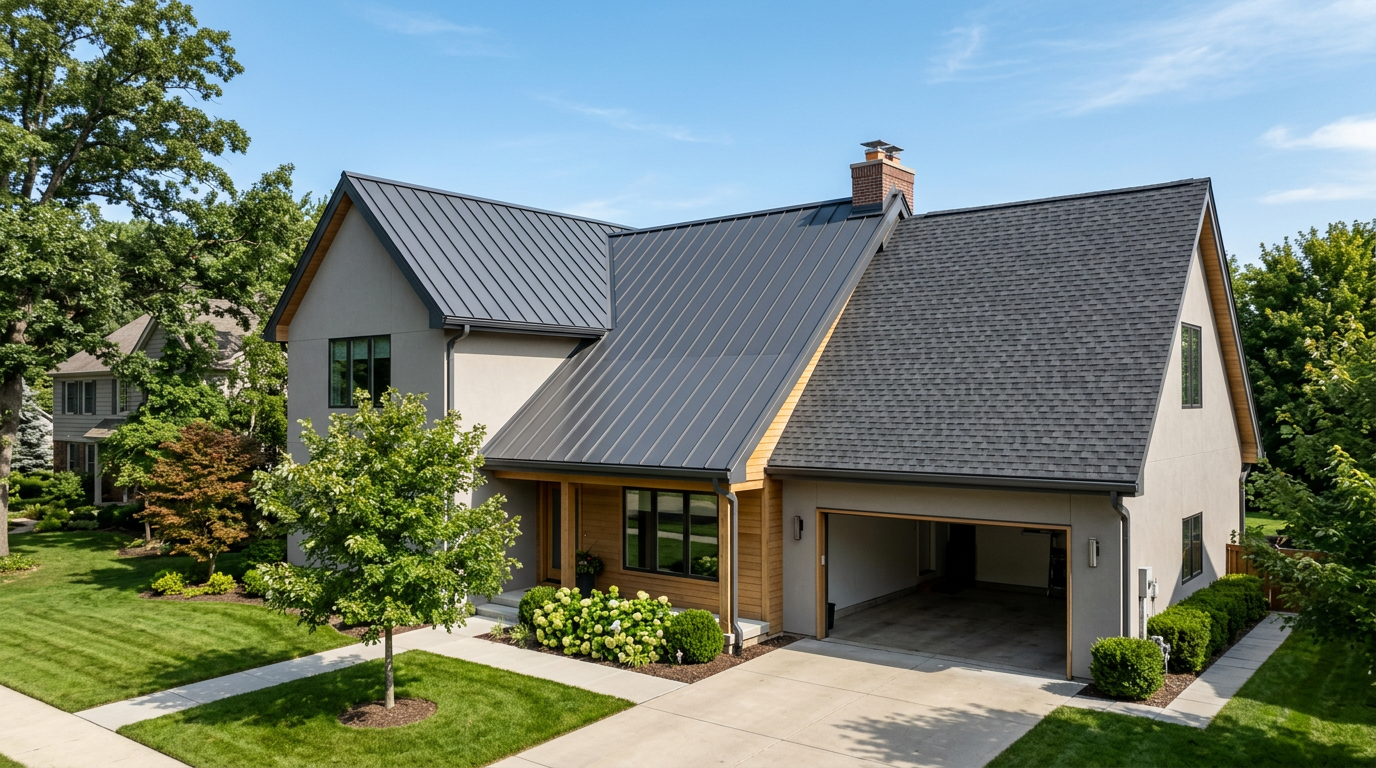
Replacement may also be worth considering if you are planning to stay in the home for many years and want a more predictable maintenance path. Instead of solving one leak at a time, a new roof can reset the maintenance clock and simplify future upkeep.
Ask the right questions before you hire
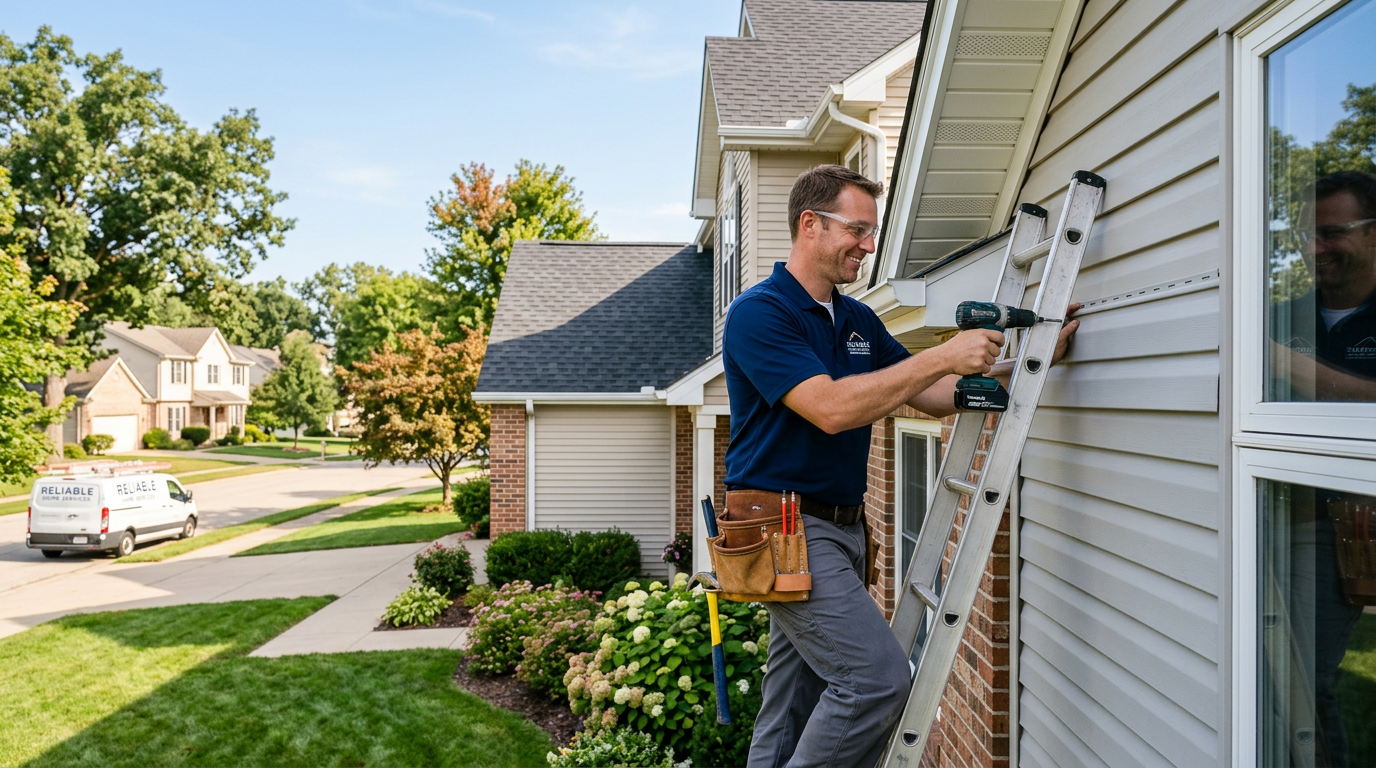
Before you decide, get at least one inspection from a reputable roofing contractor and ask specific questions. The goal is not just to get a price, but to understand what the quote includes and why the contractor is recommending that approach.
- What is causing the problem, and is it limited to one area?
- Is the decking sound, or are there signs of hidden damage?
- How much of the existing roof can realistically stay in place?
- Will the repair match the current roofing material and color closely?
- If replacement is recommended, what work is included besides shingles?
You should also ask whether the estimate covers flashing, underlayment, ventilation fixes, cleanup, and disposal of old materials. Those details can affect how comparable two bids really are. A low quote is not always the clearest value if it leaves out important parts of the job.
Bottom line: choose the fix that fits the roof, not just the leak
The right choice depends on the condition of the whole roof, not just the spot that is leaking today. Small, isolated issues may call for a repair. More widespread wear, repeated leaks, or structural problems may make replacement the more reasonable path.
If you are unsure, compare a few professional opinions and make sure each contractor explains the problem in plain language. That extra step can help you choose the option that fits your roof, your timeline, and your budget priorities without rushing into work you do not need.