When a storm damages your roof, the first contractor you call can shape everything that follows: the inspection, the repair plan, the paperwork, and even how smoothly the job goes. The challenge is that storm damage often brings urgency, and urgency makes it easier to miss warning signs. A careful comparison process can help you choose a roofer who is qualified, responsive, and clear about what they will and will not do.
This guide focuses on the practical steps homeowners can use after wind, hail, or heavy rain damage. The goal is not to find the cheapest bid at all costs, but to find a roofer who is licensed where required, insured, and willing to explain the work in plain language.
Start with the damage, not the pitch
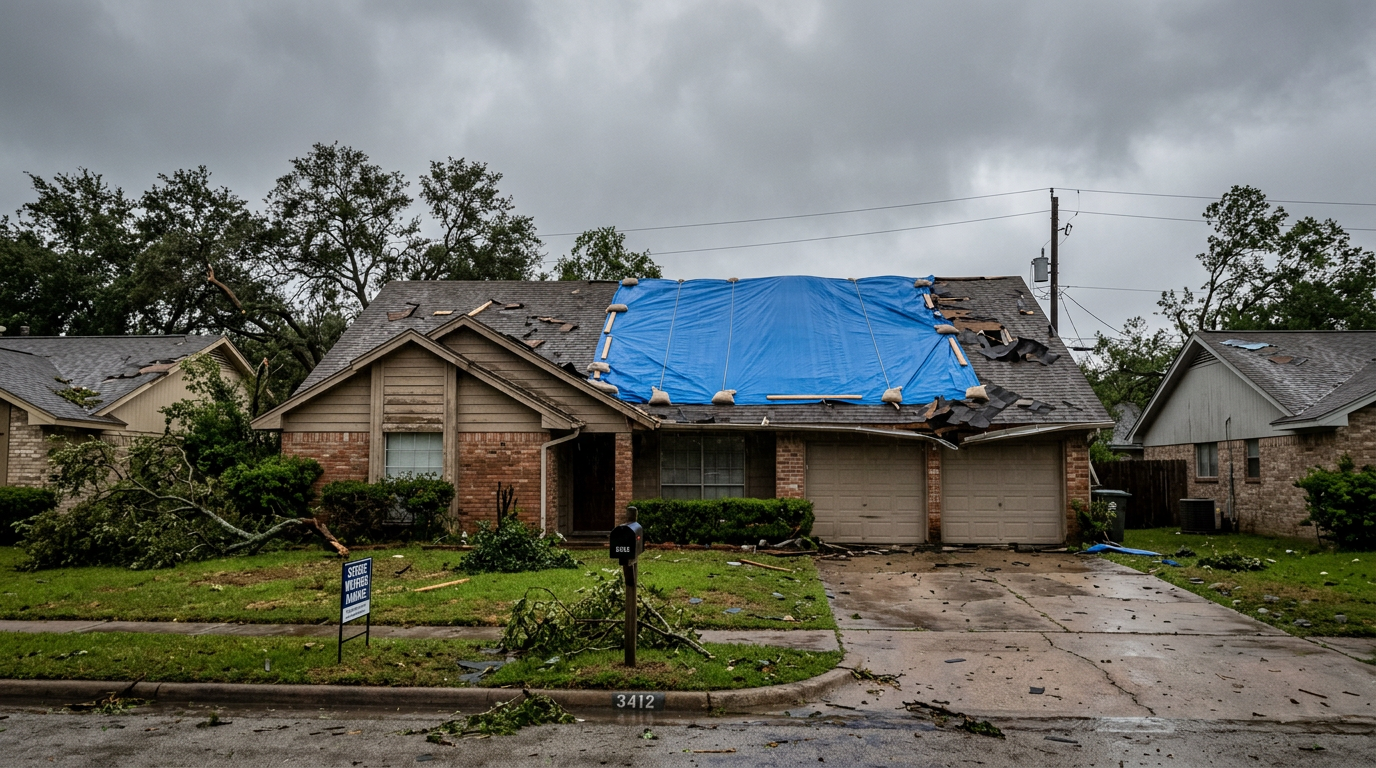
Before you invite anyone out, document what you can safely see from the ground. Take photos of missing shingles, fallen branches, dented gutters, interior stains, and any debris around the home. If there is active leaking or a visible opening, protect the area as best you can and call a professional quickly.
It helps to know the difference between temporary stabilization and a full repair or replacement. A reputable roofer should be able to explain whether your roof needs an emergency tarp, isolated repairs, or a broader project. If a contractor jumps straight to a full replacement without showing you why, ask for a clearer explanation and supporting photos.
Check the basics before you schedule an estimate
Storm season often brings out excellent contractors, but it also attracts opportunists. Before you book an appointment, verify a few essentials:
- Licensing: Rules vary by state and city, so confirm the company meets local licensing requirements where applicable.
- Insurance: Ask for proof of general liability and workers’ compensation coverage.
- Local presence: Look for a business with a physical office, local references, and a history of serving your area.
- Manufacturer or trade certifications: These can be useful, but they should supplement, not replace, basic vetting.
- Written warranty information: Understand what is covered, for how long, and who handles labor versus materials.
It is also reasonable to ask how long the company has been working on storm-related roof projects. That does not guarantee quality, but it can tell you whether they are accustomed to documenting damage and coordinating with homeowners.
Compare estimates line by line
Roofing estimates should do more than give a single number. A useful estimate usually identifies the scope of work, the materials, the cleanup plan, and any assumptions the contractor is making about the roof’s condition.
When you compare bids, look for these details:
- Scope: Does the estimate describe repair areas clearly, or does it use vague language like “as needed”?
- Materials: Are shingle type, underlayment, flashing, vents, and fasteners specified?
- Roof deck repairs: Does the contractor explain how they handle damaged decking if it is discovered after removal?
- Ventilation and flashing: Are these included or treated as extras?
- Cleanup and disposal: Is magnet sweeping, debris removal, and hauling included?
Be cautious if one estimate is dramatically lower than the others and leaves out important components. A lower bid can reflect efficiency, but it can also mean missing line items that later become change orders. On the other hand, a higher bid should come with a clear explanation, not just a bigger number.
Ask questions that reveal how the contractor works
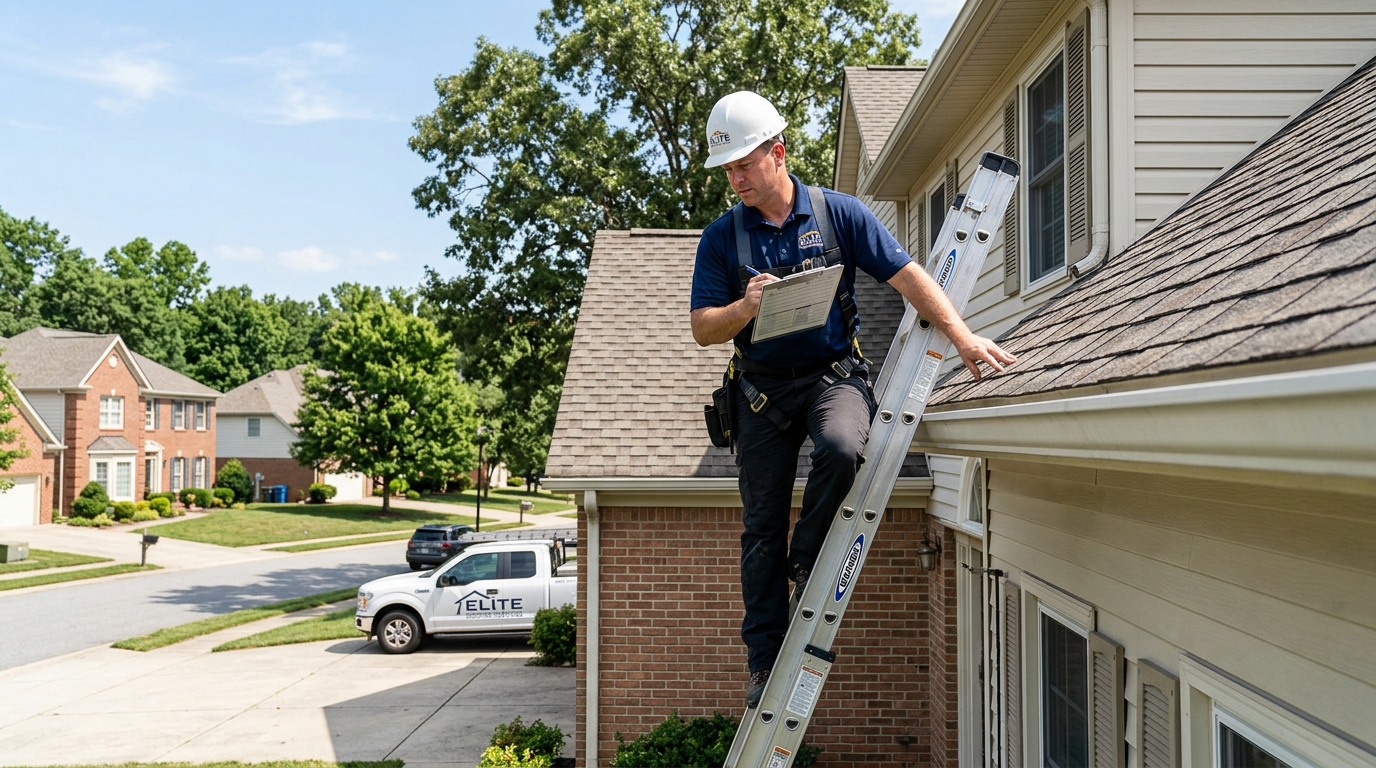
A short conversation can tell you a lot about a roofer’s professionalism. Ask direct questions and pay attention to whether the answers are specific and consistent.
Questions worth asking
- Who will be on site, and is the crew employed by the company or subcontracted?
- How will you document the damage before work begins?
- What happens if hidden damage is found after the shingles come off?
- How do you handle weather delays?
- What is the payment schedule, and when is the final payment due?
- Do you help the homeowner understand estimates for insurance claims, if applicable?
Good contractors tend to answer in a straightforward way and avoid pressure. If someone urges you to sign immediately, skip the comparison process, or make decisions based on fear of a coming storm, that is a reason to slow down.
Watch for common red flags
After major weather events, some warning signs appear again and again. None of them automatically proves a company is untrustworthy, but several together should make you reconsider.
Red flags include door-to-door pressure, requests for large upfront payments, no written contract, no proof of insurance, and vague promises about “taking care of everything” without explaining the scope.
Another red flag is the contractor who discourages documentation. A trustworthy roofer should not object to photos, written estimates, or questions about materials. You should also be careful with anyone who says your roof definitely needs to be replaced before doing a real inspection. An honest assessment depends on evidence, not assumptions.
Understand the contract before work starts
Once you have chosen a roofer, make sure the paperwork reflects what you discussed. A solid roofing contract should include the project address, materials, total scope, start and completion expectations, warranty terms, and payment schedule. If there are exclusions, they should be spelled out clearly.
Read the cancellation terms, change-order process, and cleanup responsibilities before signing. If the contract includes language you do not understand, ask for clarification. It is much easier to resolve confusion before the crew arrives than after demolition begins.
If the repair is connected to an insurance claim, keep your own records organized. Save estimates, photos, texts, emails, and any notes from site visits. Even if the contractor is helping with documentation, you should retain copies of everything for your records.
Take your time, even when the roof feels urgent
Storm damage can create pressure to move fast, but a fast decision is not always a good one. The best roofer for your situation is the one who explains the problem clearly, documents the damage carefully, and gives you a written plan you can compare against other options.
If you are choosing among several contractors, focus on clarity, responsiveness, insurance, and contract terms rather than sales language. A little comparison now can help you avoid frustration later, and it can give you more confidence that the work on your home is being handled the right way.