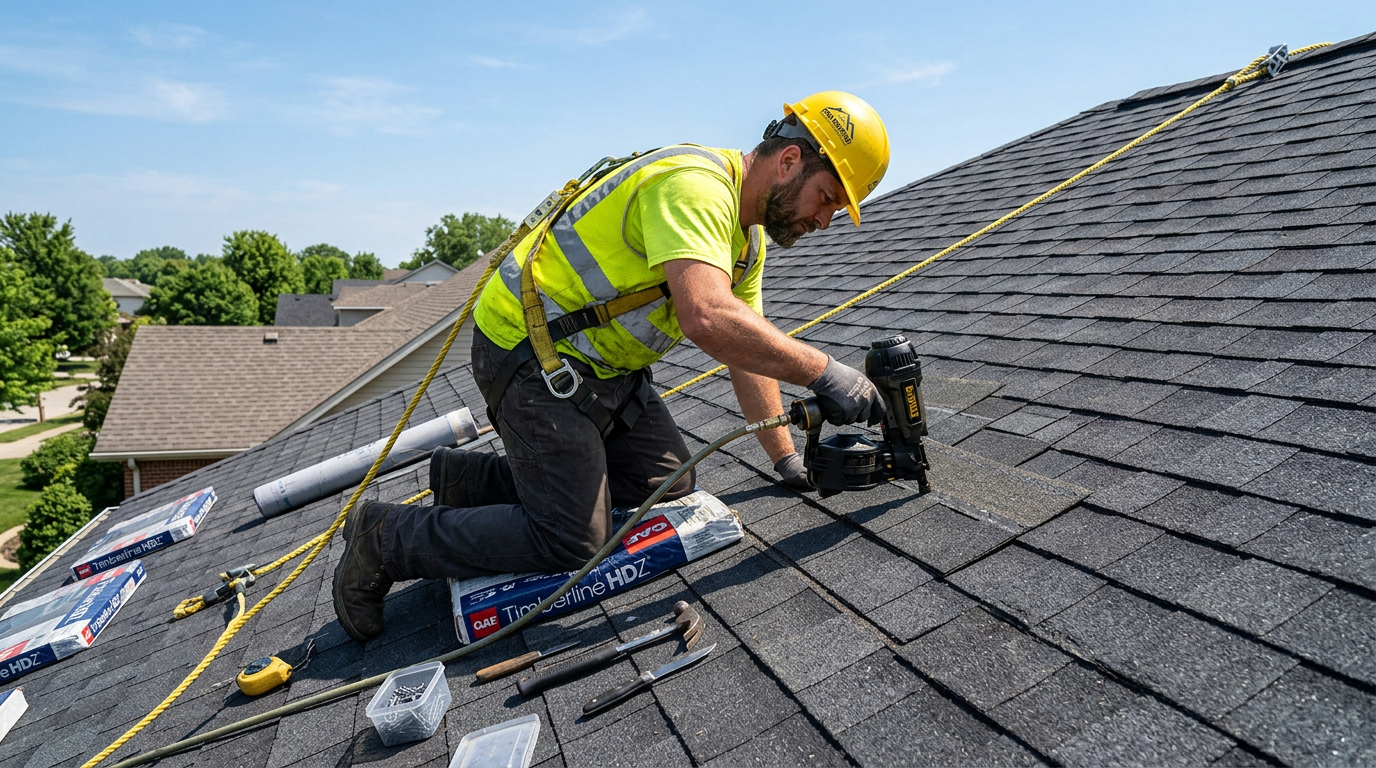
If a Dallas storm leaves you worried about your roof, the insurance process can feel just as stressful as the damage itself. The good news is that a calm, organized approach can make the claim easier to manage. This guide walks through the typical steps, from checking for damage to reviewing the insurer’s decision, so you know what to do next.
1. Make the area safe and check for obvious damage
After the storm passes, start with safety. If there are downed power lines, water inside the home, or signs the roof may be unstable, stay out of harm’s way and call the appropriate emergency services or a qualified pro. You do not need to climb onto the roof yourself to begin the claim process.
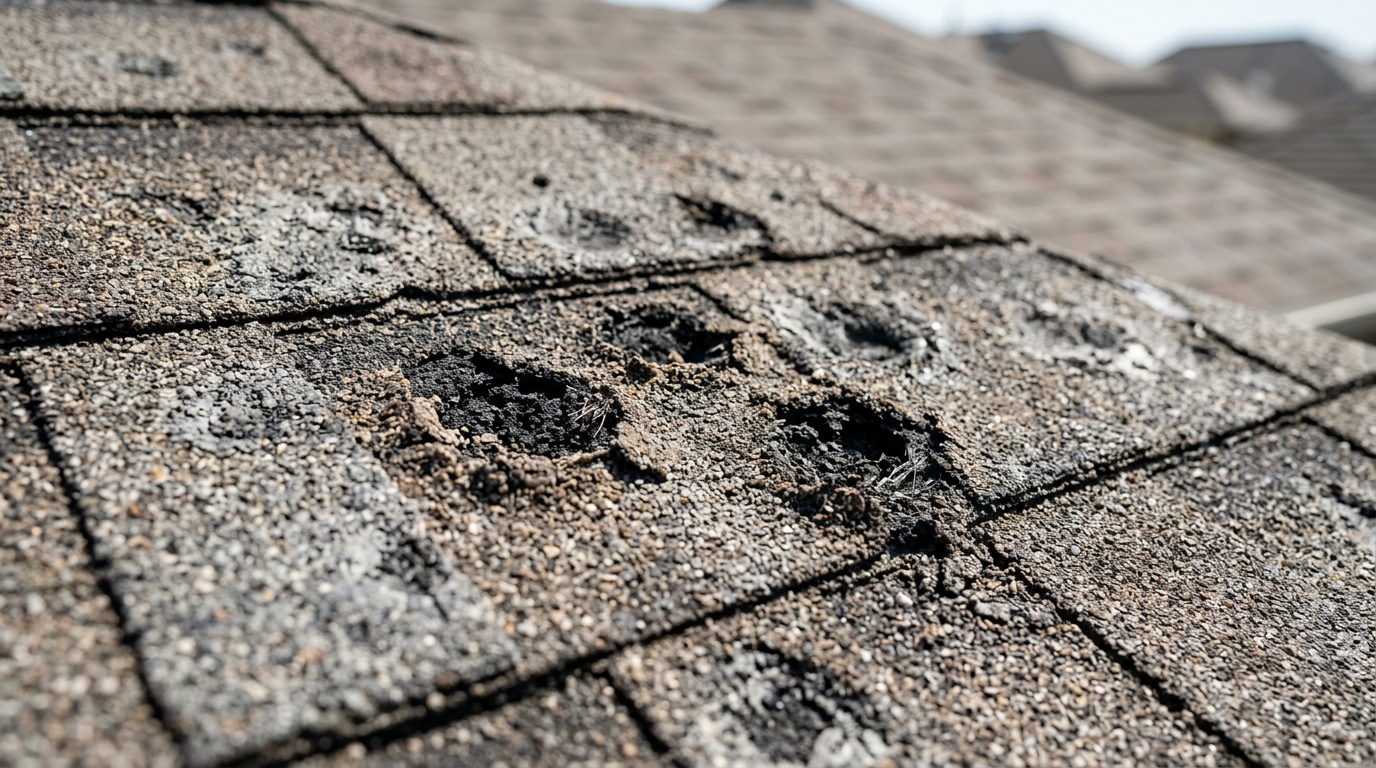
From the ground, look for visible issues such as missing shingles, dents on vents or flashing, broken gutters, or debris impact. Inside the home, check ceilings, attic spaces, and upper walls for active leaks, stains, or moisture. If water is entering the house, place containers to catch drips and move belongings away from the affected area.
2. Document everything before making major repairs
Good documentation can help explain what happened and when. Take clear photos and short videos of:
- all visible roof damage from safe vantage points
- damage to gutters, siding, windows, or fences caused by the storm
- interior leaks, water stains, and wet insulation
- the date and time of the storm, if known
- any temporary protection you add, such as tarps or buckets
If you can do so safely, save any pieces of broken shingles, flashing, or other materials that fell off. Keep receipts for emergency tarping, cleanup, or temporary repairs. Insurers often want to see that you took reasonable steps to prevent additional damage, but only make temporary repairs that are necessary and safe.
Tip: Don’t throw away damaged materials until the insurer or adjuster has had a chance to inspect them, unless they create a safety hazard.
3. Review your policy and start the claim promptly
Before you call the insurance company, skim your homeowners policy so you understand the basics. Look for your deductible, any exclusions, and whether roof coverage is based on replacement cost or actual cash value. If the language is confusing, that’s normal; many policy terms are written in legal or technical language.
When you’re ready, contact your insurer and file the claim. Have your policy number, contact information, storm date, and a short description of the damage ready. Ask for the claim number and the name and contact information of the assigned adjuster. Write down the date, time, and summary of every conversation.
In Dallas, storm-related claims can be time-sensitive, so it helps to file as soon as you reasonably can after discovering the damage. Even if you are unsure whether the roof needs replacement or just repairs, letting the insurer know early keeps the process moving.
4. Arrange for an inspection and get your own roof evaluation
The insurer will usually send an adjuster to inspect the property. You should be present if possible, or have another adult with access to the home attend. Before the visit, gather your photos, notes, receipts, and any contractor estimates you may already have.
It can also be useful to have a reputable local roofer perform an independent inspection. A contractor can identify storm-related issues that may not be obvious from the ground, explain whether the damage appears consistent with hail or wind, and provide a written estimate. This does not mean you have to hire the first company that knocks on your door after a storm. Take time to compare credentials, licensing, and references.

During the inspection, ask questions such as:
- What damage did you observe, and where?
- Is the problem localized or spread across the roof?
- What temporary repairs are recommended right now?
- What documentation should I send to the insurer?
5. Track the claim and respond to requests quickly
Once the claim is open, keep everything organized in one place. Save emails, letters, photos, inspection reports, contractor estimates, and claim notes. If the insurer requests more information, respond as soon as you can. Delays can slow down the process.
If the adjuster’s report and the contractor’s assessment do not match, ask for an explanation. Sometimes the difference is about scope rather than whether damage exists. For example, one party may believe a few shingles need replacement, while another may recommend broader work because of matching issues, underlying damage, or multiple impact points. Stay polite, but do not be afraid to ask for the basis of the decision.
It may help to request the estimate in writing and compare line items carefully. Look for items such as labor, materials, disposal, and code-related upgrades if applicable. If something is unclear, ask your insurer or contractor to explain it in plain language.
6. Know when to seek a second opinion or appeal
If your claim is denied or you think the estimate is too low, you still have options. Review the denial letter or settlement explanation closely so you understand the reason given. Common issues include wear and tear exclusions, insufficient evidence of storm damage, or disputes over the cause of the problem.
A second opinion from another roofer or a public adjuster may be helpful, especially if the roof has multiple problem areas or you believe the first inspection missed something. You can also ask the insurer how to dispute the decision and what additional documentation they want. Keep your communications factual and focused on the evidence.
It’s usually better to challenge a decision with documentation than with speculation. More photos, a more detailed contractor report, or a clearer explanation of interior leaks can strengthen your case.
Moving forward with confidence
Filing a roof insurance claim in Dallas after a storm is mostly about staying organized, documenting damage carefully, and understanding what your policy says. If you’re still deciding how to handle repairs, it can help to compare local roofing companies, inspection services, and claim-support options before you commit. A few careful comparisons now may make the rest of the process easier to manage.