HOOK
[Close-up of a totaled bumper, then a policy page on screen] If the other driver caused the crash, why would you still get stuck paying? The answer is a coverage gap a lot of drivers never notice until it’s too late.
KEY POINT 1
[Animated split screen: “At-fault driver” vs. “insured enough”] Not every driver carries enough insurance. If their policy limits are low, it may not cover all your medical bills, car repairs, or lost wages.
KEY POINT 2
[Show policy pages highlighting UM/UIM] That’s where uninsured and underinsured motorist coverage comes in. UM helps if the other driver has no insurance. UIM helps if they do, but not enough to cover your losses.
KEY POINT 3
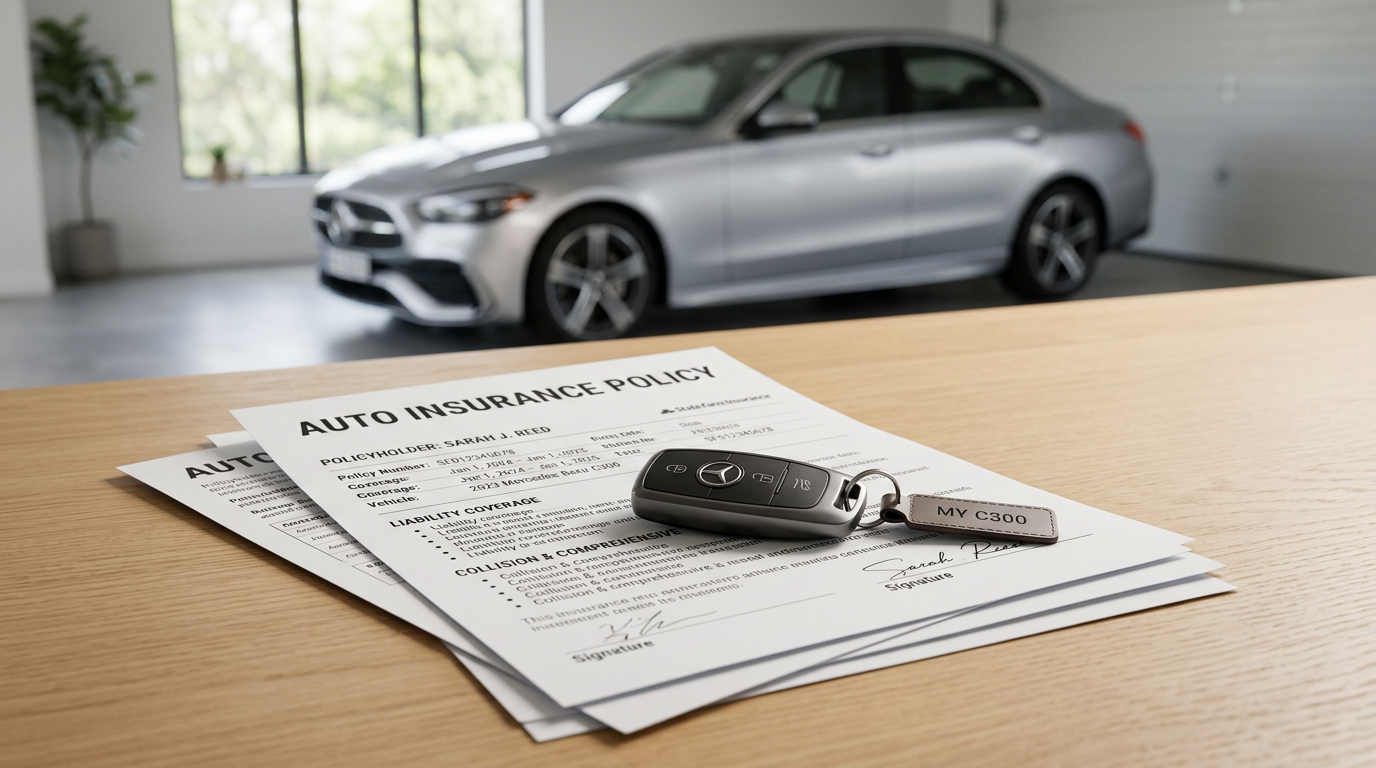
[Person comparing declarations page on phone] Check your declarations page for both coverages, and look at the limits. If your state allows it, ask your insurer how much it would cost to raise them. The premium difference can be smaller than you think.
KEY POINT 4
[Simple checklist graphic: “Review / Compare / Ask”] Also ask whether you have stacked coverage or other options that improve protection. The goal isn’t just cheaper insurance—it’s making sure a bad crash doesn’t turn into a financial one too.
CTA
[Calm on-camera host, policy pages in hand] Before your next renewal, take two minutes to review your auto policy. If you’re not sure what your limits mean, call your agent and ask them to explain it in plain English.