HOOK
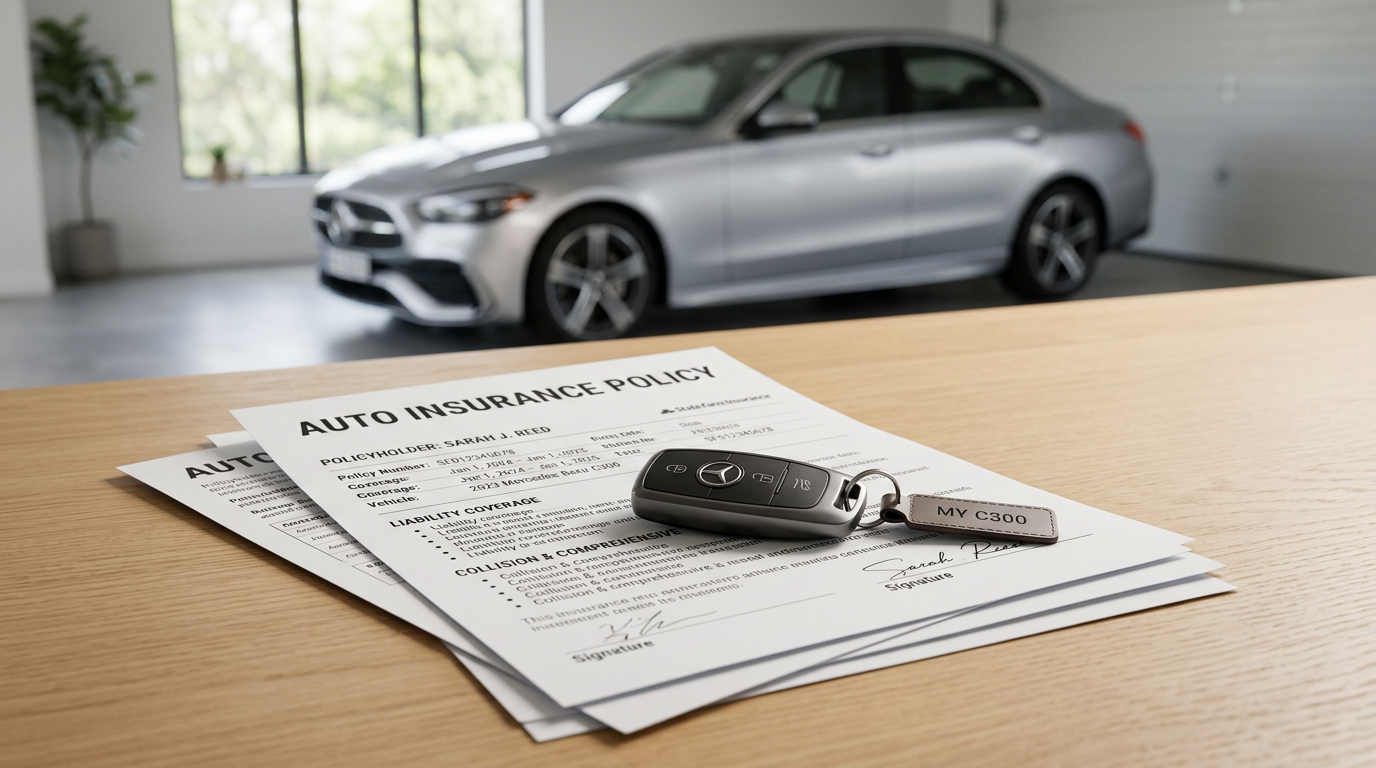
Think your auto insurance covers “everything”? It usually doesn’t. One missing coverage can turn a minor accident into a major bill. [Close-up of insurance policy paperwork and a car in a parking lot]
KEY POINT 1
First, check collision coverage. If you hit another car, a guardrail, or a pole, liability won’t pay to fix your vehicle. Collision is what helps cover your car after an at-fault crash. [Animation of fender-bender, then repair shop footage]
KEY POINT 2
Second, don’t skip comprehensive coverage if you drive an older car only because it’s “not worth much.” Comprehensive can help with theft, hail, flooding, vandalism, and hitting an animal. Those claims happen more often than people expect. [B-roll of hail on windshield, floodwater, stolen-car graphic]
KEY POINT 3
Third, look at uninsured and underinsured motorist coverage. If someone with little or no insurance hits you, this coverage can help with medical bills and sometimes vehicle damage, depending on your state and policy. [Split-screen of two cars and a damaged bumper with policy icons]
KEY POINT 4
Finally, ask your insurer for the “deductible math.” A low premium can hide a high deductible, which means you pay more out of pocket before coverage kicks in. [Calculator, deductible amount highlighted on screen]
CTA
Take five minutes today to review your declarations page. If you’re missing one of these coverages, ask what it would cost to add it before you need it. [Person checking policy on phone, then nodding]